Capture
Identify the platform, model year, modifications and axle loads.
Engineering services
Translate a vehicle requirement into a documented wheel specification and an agreed validation scope.
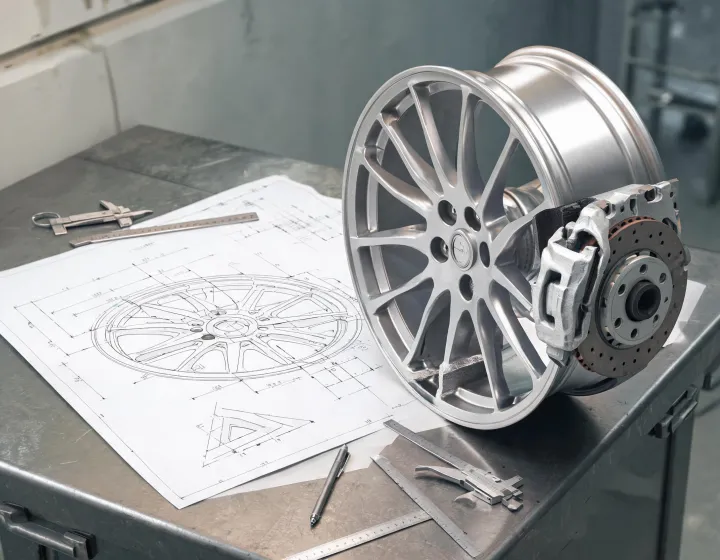
Collect the complete interface before discussing a design. The wheel diameter and width are only the start: PCD, center bore, mounting seat, offset and caliper clearance must be compatible with the actual vehicle and hardware.
Identify the platform, model year, modifications and axle loads.
Compare interfaces and clearance with the proposed geometry.
Record the approved drawing, tolerances and revision.
Evaluate any later vehicle or wheel change against that baseline.
Confirm bore, bolt pattern, mounting face and radial and lateral runout against an agreed drawing. Measurement equipment and acceptance limits should be stated before samples are assessed.
Discuss load cases, test methods and intended service conditions. Road and track use can impose different demands, so evidence must match the application rather than a generic claim.
Provide vehicle and year, diameter, width, PCD, offset, center bore, expected load, quantity and destination market. Photos or a brake template can help identify clearance constraints.
No. System documentation and market-specific product evidence have distinct scopes. Fitment also requires an interface and clearance review for the actual vehicle.
Tell us what is known and identify the decisions still open.