Road performance
Determine vehicle axle loads, tire size and road-market requirements alongside the wheel interface.
Applications
Wheel requirements change with vehicle geometry, road environment and duty cycle.
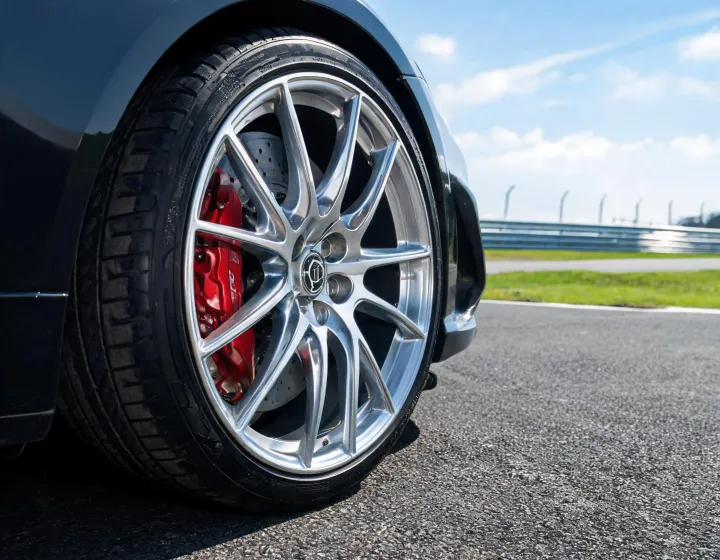
Determine vehicle axle loads, tire size and road-market requirements alongside the wheel interface.
Discuss the circuit, expected loads and inspection practice with the vehicle team before selection.
Document changes to suspension, brakes and bodywork because original dimensions may no longer apply.
| Context | Key input | Review focus |
|---|---|---|
| Road | Axle loads and tire envelope | Clearance and applicable market evidence |
| Track | Events, loads and inspection plan | Agreed test scope and service conditions |
| Modified build | Actual brake and suspension geometry | Mounting and component clearance |
These are starting points for a technical conversation, not a universal fitment chart. The proposed configuration must be checked against the actual vehicle and its intended use.
Offset affects the relationship between the mounting face and wheel centerline. A visually similar wheel can change clearance to a caliper, suspension component or body panel. PCD and center bore must also match the mounting interface, while fastener seat type and hardware engagement require separate attention.
Load rating must be considered against the relevant vehicle axle load and operating conditions. Radial and lateral runout should be measured using an agreed method and limit. Forged and cast construction involve different manufacturing routes; neither label alone establishes the suitability of a particular wheel for a particular duty.
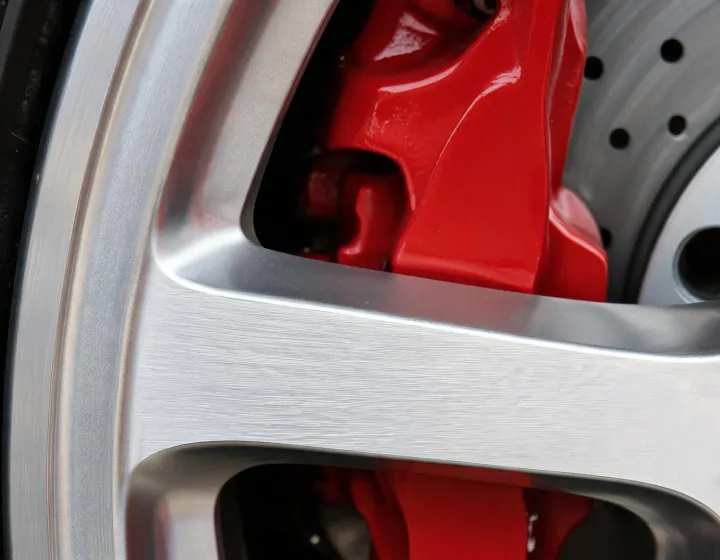
Photography can show spoke shape, but a drawing and physical clearance check communicate critical details that a catalog image cannot establish.


Include the platform, year, modifications and expected duty for a focused review.